
Help, stains on my clothes after washing!
Different types of stains can show up on your clothes, like yellowish spots, gray dots, brown dots, pink stripes, pink dots, or pink stains.
Yellow Stains
Yellow stains from sweat often show up under the armpits, on the back, or around the collar. There are several causes that can work together to create these stains. Here’s an overview:
🧪 1. Chemical reaction between sweat and deodorant
Aluminum salts, which are common in antiperspirants, can react with proteins in sweat. This reaction often causes yellowish or brownish stains, especially on white clothes. The more you wear and don't rinse your clothes properly, the worse the build-up gets.
🌡️ 2. Build-up of sweat and sebum
Sweat contains water, salt, urea, and a bit of fatty substances. Your skin also releases sebum (oil). When these get into your clothes, they can:
• Oxidize (change color from oxygen) when worn repeatedly.
• Cause discoloration, especially on light-colored fabrics.
🦠 3. Bacterial activity
Bacteria on your skin (like Staphylococcus hominis) break down sweat, which can cause both smells and color changes. This effect is even stronger in warm and humid conditions.
🧼 4. Not washing enough or washing the wrong way
• If clothes aren't washed in time or with the right detergent, sweat, deodorant residues, and dirt will stick around.
• Washing at low temperatures or with too little water can cause residues to build up in the fabric.
• Using bleach on sweat stains can actually make the color worse by reacting with proteins in the sweat.
🧵 5. Sensitivity of certain fabrics
Synthetic fabrics (like polyester) are more sensitive to grease and sweat stains, since they don't release these as easily in the wash as cotton or linen.
☀️ 6. Oxidation of sweat or deodorant residues by UV light
If there are invisible traces of sweat, deodorant, or skin oils in the fabric, these can:
• When exposed to sunlight, they oxidize (react with oxygen and UV),
• And cause yellow to brownish discoloration, especially on white or light cotton clothes.
Tips to prevent yellow sweat stains:
• Use a deodorant without aluminum salts.
• Let your deodorant dry before getting dressed.
• Wash your clothes as soon as possible after wearing them.
• Use a stain remover or baking soda solution before washing.
• Preferably wash at 40°C or higher (if the fabric allows it).
Pink Dots
Pink dots or spots on your clothes around sweaty areas (like armpits or your back) could point to a different cause than the usual yellow sweat stains. Here are the most common explanations:
🌸 1. Bacterial or fungal growth – Serratia marcescens
A common reason for pink spots is the bacteria Serratia marcescens, which can create pink to reddish pigments (prodigiosin). This bacteria:
• Thrives in damp, warm, and slightly alkaline spots – think bathrooms, armpits, or sportswear.
• Often shows up on synthetic fabrics that don't dry completely or aren't washed thoroughly.
• Can survive in washing machines that use low temperatures or mild detergent.
👉 These pink stains can be super stubborn and might come back if you don't tackle the source (like your washing machine or your skin's natural bacteria).
🧪 2. Reaction between sweat + deodorant + detergent
Some deodorants or skin products have colorants or fragrances that can react with sweat and leftover detergent or softener, turning pink or reddish:
• Perfume oils (like in natural deodorants) can oxidize.
• Fabric softener residue can change color with heat and friction.
🧫 3. Yeast or fungal infection (Candida or Malassezia)
In rare cases, pink or reddish spots can be caused by a superficial yeast infection on your skin, like:
• Tinea versicolor or
• Candida intertrigo (in skin folds when you sweat)
Even though this mainly affects your skin, these organisms can leave traces on your clothes through sweat and contact, showing up as pink or reddish spots.
🧼 4. Laundry contamination (colored fibers, residue)
Other possibilities:
• Color transfer: other clothes (like pink underwear or new shirts) can bleed when you sweat or wash them.
• Washing machine contamination: biofilm or mold in your machine can cause pink spots.
🧽 What can you do about it?
Cleaning:
• Wash at 60°C if the fabric can handle it.
• Add vinegar or baking soda to an empty wash cycle to clean your washing machine.
• Pre-treat pink stains with an oxygen bleach (like Vanish Oxi Action) or a paste of baking soda + hydrogen peroxide.
Prevention:
• Let your clothes dry completely, especially sportswear or synthetics.
• Wear cotton against your skin and avoid wearing sweaty clothes for too long.
• Use deodorant without perfume or colorants.
Pink Stains
If you're seeing pinkish stains instead of clear dots, there could be a few different reasons, depending on where they show up on your clothes, how big the stains are, and whether they're temporary or permanent. Check out the most likely causes below:
🧪 1. Chemical reactions (color change)
Possible combo: Sweat + deodorant + detergent or fabric softener
Some ingredients (like dyes or perfume components in deodorant or fabric softener) can react with body heat and sweat, causing pink or reddish stains.
Substances like benzyl alcohol, geraniol, or synthetic dyes can oxidize or discolor when they come into contact with air, sweat, or light.
📌 Recognizable by: stains mainly under the armpits or on the back, light pink to pink-brown, hard to wash out.
🦠 2. Bacterial colonies in fabric or washing machine
Serratia marcescens or similar bacteria: Produces a light pink to red pigment (prodigiosin). Found in damp places like washing machines, towels, synthetic underwear. Sometimes becomes active in clothes if they stay sweaty before washing.
📌 Recognizable by: pinkish stains in the same spot after repeated wear, often worse with synthetic fabrics or sportswear.
🌺 3. Color-bleeding clothes
Red or pink fabrics (like lingerie, socks, towels) can bleed during washing or when you sweat.
Even if the garment itself seems colorfast, heat + sweat + friction can leave a kind of 'color print' on lighter fabrics it touches.
📌 Recognizable by: irregular pinkish stains, often visible after wearing or after washing (but only appear after wearing).
🧬 4. Skin products or medication
Some skin creams, perfumes, or medicated ointments (like those with retinol, acids, or hormones) can react with UV light and sweat, or leave pigments on your clothes (especially when exposed to sun or heat).
Certain medications (like antibiotics or isotretinoin) can temporarily change your sweat composition. Benzoyl peroxide (for acne) can also cause reactions and leave big pink stains.
🧼 What can you do?
Cleaning:
- Treat pinkish stains right away with an enzyme-based stain remover.
- Use a mix of baking soda + white vinegar or lemon juice as a pre-wash.
- Soak clothes in lukewarm water with washing soda or oxygen bleach (no chlorine bleach!).
Prevention:
- Wash sweaty clothes right away or don't leave them lying around sweaty.
- Let your clothes dry completely after wearing them.
- Rinse off deodorant well before getting dressed if you notice it's reacting.
- Clean your washing machine once a month with our deep cleaning tablets.
Gray Dots/Stains Laundry Gunk
Great question! Laundry gunk (also called grease gunk) is a super common but often misunderstood cause of weird stains or smells in your clothes. It has nothing to do with real 'lice', but everything to do with a buildup of dirt and soap scum in your washing machine—and eventually in your clothes.
🧼 What exactly is laundry gunk?
Laundry gunk is a grayish, greasy residue made up of:
• Buildup of detergent (especially liquid),
• Skin oils and sweat from worn clothes,
• Bacteria and fungi that feed on those leftovers.
If you mostly wash at low temperatures (under 40°C), and use a lot of liquid detergent or fabric softener, this can start to build up in the rubber seal, drum, or pipes of your machine.
🩲 What does laundry gunk do to your clothes?
• The residue comes loose and sticks to your clothes during washing.
• This can cause stains that:
• Be gray or dull,
• Sometimes leave a light pink or brown tint,
• Make things smell greasy or musty.
• This is most obvious on white or light cotton fabrics.
• Laundry gunk can also cause:
• Leave a sweaty smell even after washing,
• Cause stains that only show up when drying or ironing.
📍Can laundry gunk cause pinkish stains?
Yes, indirectly it can. While laundry gunk itself is usually gray or dull, it can:
• Together with color residue or bacteria from the washing machine, they can leave a light pink haze or stain.
• Dirtying up your washing machine so much that bacteria like Serratia marcescens can grow more easily, and those are pink in color.
With cotton clothes and wearing them repeatedly without proper washing, this is totally possible.
🔧 How do you fix laundry gunk?
Give your washing machine a thorough clean:
1. Run an empty hot wash at 90°C with:
• 1 cup of soda or
• special machine cleaner (like Dr. Beckmann or HG or Cosmeau deep cleaning tablets).
2. Clean the rubber seal, filter, and soap drawer with a soda or vinegar solution.
3. Always leave the door and drawer open after washing so it can dry.
Or use our deep cleaning tablets once a month.
Prevent it in the future:
• Wash occasionally at 60–90°C (like towels or bedding).
• Use less detergent than you think you need.
• Avoid fabric softener or only use a small amount.
• Rinse sweaty clothes beforehand or don't leave them wet for too long.
✅ Cotton and laundry gunk: special attention
Cotton clothes are extra sensitive to laundry gunk stains because:
• The fibers are open and absorb things quickly,
• White or light-colored cotton shows every bit of dirt,
• Cotton is often washed at low temperatures for delicate clothing.
Pink Orange Stripes/Dots Bleach stains
Bleach stains are a totally different kind of discoloration than yellow or pink stains. They don’t come from dirt buildup or a reaction with sweat, but from the removal or damage of color pigments in the fabric. Here’s exactly how that works:
🧴 What are bleach stains?
Bleach stains happen when an oxidizing agent breaks down or dissolves dyes in the fabric, leaving a pale, often orange, pink, or light brown spot. It looks like a “stain,” but it’s actually a permanent color change in the fabric fiber itself.
🧪 Most common causes
1. Chlorine bleach (sodium hypochlorite)
• Found in toilet cleaners, kitchen cleaners, bathroom products.
• One drop on a colored garment instantly causes an orange/pink stain.
• Even evaporated fumes can cause damage with repeated use.
2. Oxygen bleach (like sodium percarbonate)
• Less aggressive, but at high concentrations can also cause light spots on delicate fabrics.
• Often present in stain salt or “oxi-action” products.
3. Deodorant or acne cream with benzoyl peroxide
• A common cause of orange-ish stains in the armpits of colored shirts.
• Found in products for pimples or as an active ingredient in some antiperspirants.
• Reacts even more strongly in sunlight or heat.
4. Alcohol or perfume
• Concentrated perfume or aftershave on certain dyes (especially in dark or synthetic clothes) can cause pale spots.
🎨 How do you spot a bleach stain?
Color Orange, pink, light brown Yellow, brown, faintly colored
Edges Sharp or uneven More faded, blurry
Texture Fabric feels normal Sometimes stiff or greasy
Washable? No, permanent Sometimes yes (with the right treatment)
🛠️ What can you do about it?
❌ No: don't try to wash them out
Bleach stains aren't dirt stains—you can't wash or degrease them out.
✅ Yes: repair or camouflage
1. Fabric dye or clothing dye
• For solid-colored clothes: dye the whole garment with Dylon or Simplicol (for cotton).
• For small spots: dab with a fabric paint pen or marker.
2. Customize or repair
• Embroider a patch or design over the spot.
• Use an iron-on patch or badge.
3. Think outside the box
• Dye or bleach the rest of the garment for a tie-dye or vintage look.
✅ How do you prevent bleach stains?
• Never use chlorine-based products near your clothes (not even as vapor).
• Let benzoyl peroxide creams fully absorb before putting on your clothes.
• Wear an old shirt when using products with bleach or acids on your skin.
• Always test new deodorant or perfume on a hidden spot of fabric first.
There are lots of different situations where colors can transfer, often without you even realizing why. Hopefully this helped you out a bit!
Popular

Laundry Detergent Sheets
- From €0.14 per wash
- 20, 60, 120 washes through your letterbox
- Plant-based
- No fabric softener needed

Value Pack 6 Scents Laundry Detergent Sheets
- Spring Fresh, Sea Breeze, Lavender, Cherry Blossom, Wild Forest, Cloud Cover
- 6 Scents, 120 washes
- Plant-based
- No fabric softener needed

Scent Boosters Laundry Perfume
- Choose from Spring Fresh, Sea Breeze, Lavender, Cherry Blossom, Wild Forest, Cloud Cover, Summer Breeze and Autumn
- NEW Pure - like a spa
- Sustainable and cheaper refills
- Up to 12 weeks of scent

Dishwasher Tablets
- Plant-based
- Up to 50% smaller
- 2-in-1 with rinse aid
- 50 pieces through your letterbox
- Biodegradable

Toilet Cleaner
- Plastic-free packaging
- Quick and easy toilet cleaning
- Plant-based
- Dissolves 100%

Cleaning Kit
- Beautiful bottles - makes cleaning fun again 🤩
- All-purpose, glass, kitchen, bathroom cleaner
- Affordable refills in tablet form

Shampoo Bars
- SLS free and vegan
- pH balanced
- No stiff feeling
- Anti-dandruff
- Matching Conditioner bars

Laundry Detergent Sheet Storage Box
- Keep your strips dry and tidy
- Matte black or matte white finish
- Transparent lid with hinge, see your supply
- Store up to 120 washes
- Suitable for laundry detergent sheets, toilet strips, dishwasher tablets, cleaning tablets

Detergent Sheets White Wash
- Dissolves 100%
- Longer-lasting White Wash
- No fabric softener needed

Detergent Sheets Dark Wash
- Dissolves 100%
- Longer-lasting Dark Wash
- No fabric softener needed
Our mission is to reduce plastic waste in our everyday products and make this possible for everyone in our society.

-
 Prices that are accessible for everyone
-
Donations to the food bank and commitment to impact for the underprivileged
-
Innovations and improvements in logistics, products and local production
-
Profit for impact. Your contribution helps planet, animals and people
 Prices that are accessible for
 We strive for

Plastic-free
As much as possible without plastic and biodegradable

Cruelty-free
We never test on animals

Plant-based
Plant-based formulas with the power of nature

Concentrated
No unnecessary transport of water
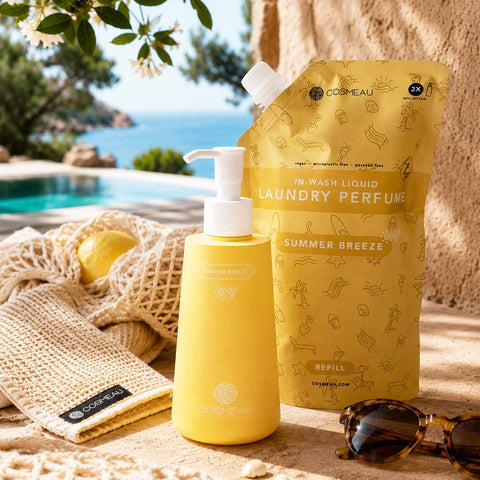
✨ Holiday and Sun Offers — May 2026
Zomerbries, 2+2 wasstrips, zomer aanbiedingen en een productie-update over de volgende generatie wasmiddel.



Sorting laundry without hassle: this way you prevent discoloration and gray laundry
Sorting laundry doesn't have to be complicated. With a simple division by color, fabric and temperature you prevent discoloration, gray wax and unnecessary wear.

Clean dishwasher without aggressive agents
Cleaning your dishwasher without aggressive agents is fine, as long as you tackle the filter, grease and hidden dirt in the right way.


August Update on Scent Booster Production
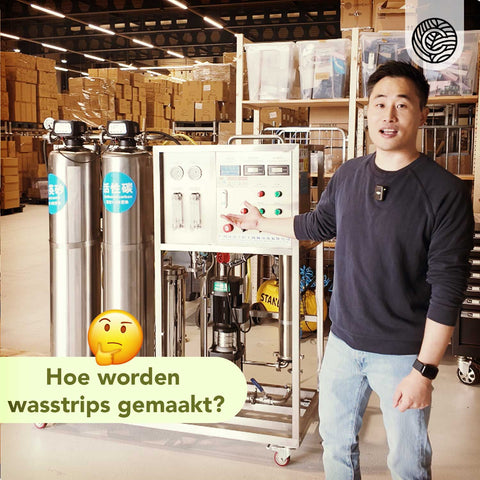
Cosmeau shares a new update on scent booster production in the Netherlands. The machines shipped in June have now been unloaded and moved into place safely.

200,000+ already help clean more sustainably

Reviews
Questions?
Our support heroes are ready for you!


-
Chat, email or call. We are ready for all your questions and suggestions.
-
088 04 04 488 Call on weekdays between 10-17h.
-
100% satisfaction guarantee We want to keep the barrier as low as possible for you.
Consider taking a subscription
-
Always the best price with automatic discounts up to 50%
-
No obligations you are not tied to anything
-
Free gifts samples, testers, and trial packs
-
Always enough stock of your cleaning products
-
Reminder before we send your next shipment, adjust, pause, or cancel
Follow us on @cosmeau.eco?


