
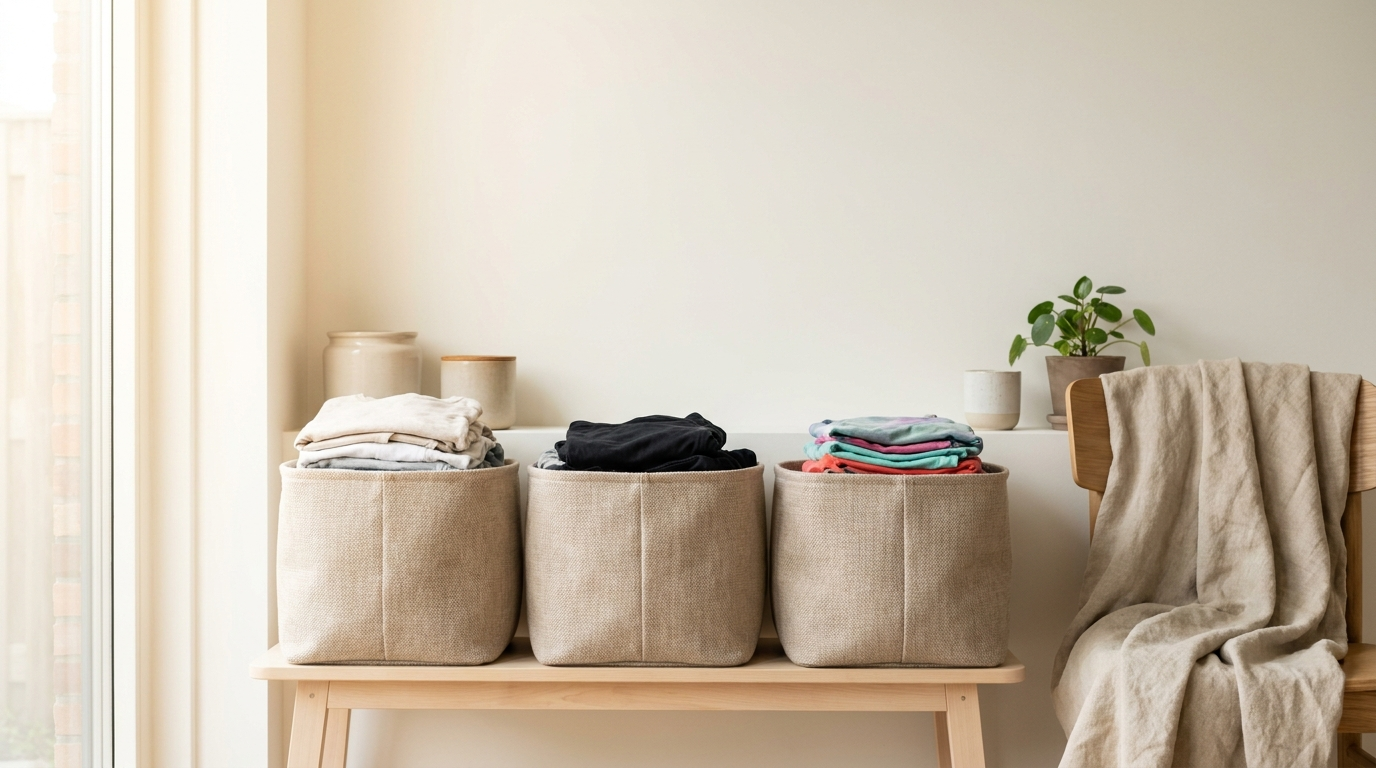
Was sorteren hoeft niet ingewikkeld te zijn. Met een simpele verdeling op kleur, stof en temperatuur voorkom je verkleuring, grauwe was en onnodige slijtage.
Je wilt gewoon snel een was draaien, maar dan begint het twijfelen. Kan die lichtgrijze trui bij wit? Moeten handdoeken apart? En maakt het echt uit of je alles op 30 graden wast?
Was sorteren klinkt als zo'n klusje waar mensen overdreven moeilijk over doen. Toch is het vaak precies het verschil tussen kleding die lang mooi blijft en kleding die na een paar wasbeurten grauw, vaal of lubberig wordt. Gelukkig hoeft het niet ingewikkeld te zijn. Met drie simpele checks kom je al heel ver: kleur, stof en temperatuur.
Waarom was sorteren belangrijk is
Was sorteren draait niet om perfect huishouden. Het draait om schade voorkomen. In de wasmachine gebeurt meer dan alleen schoonspoelen. Kleding schuurt langs elkaar, kleuren kunnen afgeven en verschillende stoffen reageren anders op water, warmte en centrifugeren.
Donkere kleding kan bijvoorbeeld kleur loslaten, vooral als het nieuw is. Witte was neemt die kleur juist makkelijk op, waardoor een fris shirt langzaam grauw wordt. Handdoeken geven pluis af en hebben vaak een steviger programma nodig dan dunne shirts. Sportkleding wil je juist niet te heet wassen, omdat elastaan en technische vezels sneller slijten.
Als je alles altijd bij elkaar gooit, lijkt dat op korte termijn handig. Maar op lange termijn kost het je kleding, frisheid en soms zelfs extra wasbeurten omdat iets niet goed schoon of mooi uit de machine komt.
De simpele basis: sorteer op kleur
Begin met kleur. Dat is de makkelijkste en belangrijkste stap.
Witte was
Witte shirts, witte handdoeken, beddengoed en licht ondergoed kunnen meestal samen als het materiaal en waslabel matchen. Let op met kleding waar gekleurde prints of randen op zitten. Die kunnen soms afgeven, zeker bij de eerste wasbeurten.
Bonte was
Bonte was is alles met duidelijke kleur: blauw, groen, rood, roze, geel en prints. Nieuwe felgekleurde items was je de eerste keren liever apart of met vergelijkbare kleuren. Rood en donkerblauw zijn berucht omdat ze kunnen afgeven.
Donkere was
Zwart, donkergrijs, navy en donkergroen blijven mooier als je ze apart wast. Was donkere kleding binnenstebuiten en gebruik geen te heet programma. Zo voorkom je dat zwart sneller vaal wordt.
Licht gemengd
Lichtgrijs, beige, pastel en crème zitten een beetje tussen wit en bont in. Als een item echt licht is en niet afgeeft, kan het vaak bij lichte was. Twijfel je? Dan is een lichte bonte was veiliger dan bij spierwit.
Check daarna de stof
Kleur is stap één, maar stof is minstens zo belangrijk. Een dunne blouse en een ruwe handdoek kunnen dezelfde kleur hebben, maar ze vragen niet hetzelfde van je wasprogramma.
Handdoeken, vaatdoeken en schoonmaakdoeken was je liever apart van kleding. Ze nemen veel water op, geven pluis af en hebben soms een hygiënischer programma nodig. Bovendien kunnen ritsen, haakjes en ruwe vezels kwetsbare kleding beschadigen.
Delicate stoffen zoals wol, zijde, viscose en fijne lingerie hebben een rustig programma nodig. Stop ze niet zomaar bij jeans of handdoeken. Gebruik eventueel een waszakje en kies een lage centrifugeersnelheid.
Sportkleding vraagt ook aandacht. Veel sportshirts bevatten elastaan of technische vezels. Te heet wassen kan de rek eruit halen en geur kan blijven hangen als je te veel wasmiddel gebruikt. Was sportkleding liever niet samen met pluizige handdoeken, want synthetische stof trekt pluis juist makkelijk aan.
Welke temperatuur kies je?
De beste temperatuur staat op het waslabel, maar als basis kun je dit aanhouden:
- 30 graden: dagelijkse kleding, donkere was, sportkleding en licht gedragen items
- 40 graden: ondergoed, sokken, shirts en normale bonte was
- 60 graden: handdoeken, beddengoed, vaatdoeken en was die extra hygiënisch moet
- Koud of wolprogramma: wol, delicate stoffen en kleding die snel krimpt
Heter is niet automatisch beter. Te warm wassen kan kleuren sneller laten vervagen en stoffen laten krimpen. Aan de andere kant is alles altijd koud wassen ook niet ideaal, vooral niet bij handdoeken of doeken met veel huidvet en vuil.
Kies dus niet op gevoel, maar op functie. Wat moet schoon worden, welke stof is het en hoeveel kan het hebben?
Veelgemaakte fouten bij was sorteren
De grootste fout is denken dat kleur het enige is. Een zwarte jeans bij een zwart sportshirt lijkt logisch, maar die jeans is zwaar en schuurt flink. Het sportshirt kan daardoor sneller pillen of slijten.
Een tweede fout is te volle trommels draaien. Als kleding geen ruimte heeft om te bewegen, wordt het minder goed schoon. Ook kan wasmiddel slechter verdelen, waardoor er resten achterblijven.
En dan is er nog te veel wasmiddel. Meer wasmiddel maakt je was niet automatisch schoner. Het kan juist resten achterlaten in stof en machine. Dat merk je aan een muffe geur, stijve handdoeken of witte strepen op donkere kleding.
Handige sorteerregel voor drukke dagen
Geen zin in vijf wasmanden? Gebruik dan deze praktische verdeling:
1. Wit en heel licht
2. Donker en zwart
3. Bont en normale kleding
4. Handdoeken, beddengoed en doeken
5. Delicaat of sport apart wanneer nodig
Dat is genoeg voor de meeste huishoudens. Je hoeft niet elk kledingstuk wetenschappelijk te behandelen. Je wilt vooral de grote risico's vermijden: kleurdoorloop, pluis, krimp en slijtage.
Waar passen Cosmeau wasstrips in je routine?
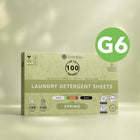
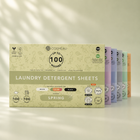
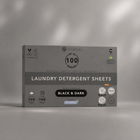
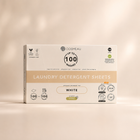
Goed sorteren is de basis. Daarna helpt makkelijk doseren. Met Cosmeau wasstrips gebruik je een vaste dosering zonder zware plastic fles of geknoei met dopjes. Dat is handig als je snel meerdere wasjes draait: een strip in de trommel, programma kiezen en klaar.
Ze zijn Made in NL, hebben geen plastic verpakking en passen bij witte, bonte en donkere was. Bij een kleine of licht vervuilde was kun je vaak minder gebruiken, bij een grote volle trommel juist volgens de aanbevolen dosering. Gratis verzending geldt vanaf €19.
Geen wondermiddel voor verkeerd sorteren, wel een rustige basis voor een simpele wasroutine.
Snelle checklist voordat je start
Loop dit even na voordat je de machine aanzet:
- Zit er iets nieuws of felgekleurds tussen?
- Zijn handdoeken of vaatdoeken apart?
- Zit delicate kleding in een waszakje?
- Is de trommel niet te vol?
- Klopt de temperatuur met het waslabel?
- Gebruik je niet meer wasmiddel dan nodig?
Als je deze punten checkt, voorkom je de meeste wasproblemen al voordat ze ontstaan.
FAQ
Moet je handdoeken apart wassen?
Meestal wel. Handdoeken geven pluis af, nemen veel water op en vragen vaak een steviger programma dan gewone kleding. Apart wassen houdt kleding mooier.
Kan grijs bij witte was?
Heel lichtgrijs kan soms bij wit, maar alleen als het niet afgeeft. Bij twijfel was je grijs liever met lichte bonte was, zeker als het kledingstuk nieuw is.
Is 30 graden genoeg voor alle was?
Nee, niet altijd. Voor dagelijkse kleding is 30 graden vaak prima, maar handdoeken, beddengoed en vaatdoeken hebben soms 40 of 60 graden nodig voor extra frisheid en hygiëne.