





Je vaatwasser reinigen zonder agressieve middelen kan prima, zolang je het filter, vet en verborgen vuil op de juiste manier aanpakt.
Je wilt je vaatwasser schoonmaken, maar ook weer niet met een halve chemische aanval in je keuken. Logisch. Zeker als je gevoelig bent voor sterke geuren, liever rustiger schoonmaakt of gewoon geen zin hebt in agressieve reinigers die alles overheersen. Het goede nieuws is dat je vaatwasser vaak al een stuk frisser wordt zonder harde middelen, als je maar op de juiste plekken begint.
Kort antwoord: een vaatwasser reinigen zonder agressieve middelen werkt prima als je eerst etensresten, vet en stilstaand vuil aanpakt. Het filter, de rubberrand, de sproeiarmen en een gerichte reinigingsbeurt maken meestal het grootste verschil. Je hebt dus niet meteen zware producten nodig, maar wel een aanpak die verder gaat dan alleen een snelle spoelbeurt.
Waarom wordt een vaatwasser eigenlijk vies?
Een vaatwasser lijkt zichzelf schoon te houden, maar dat is maar half waar. Tijdens elke beurt spoelt er warm water doorheen, maar tegelijk blijven er ook resten achter. Denk aan:
- vet van pannen en borden
- etensresten in het filter
- zeep- en glansspoelresten
- kalk en aanslag
- vocht op plekken die slecht drogen
Die combinatie zorgt ervoor dat je machine na verloop van tijd minder fris ruikt en minder efficiënt kan reinigen. Vooral als je vaak korte eco-programma's draait, bouwt die vervuiling zich rustig op.
Wat bedoelen mensen met agressieve middelen?
Meestal bedoelen ze producten met een heel sterke geur, bijtende werking of een samenstelling waar je liever niet te royaal mee werkt. Denk aan extreem ontvettende reinigers, heftige chloorproducten of allerlei huis-tuin-en-keukenmixen waar online wonderverhalen over rondgaan.
Dat voelt soms krachtig, maar krachtig is niet altijd slimmer. Bij een vaatwasser wil je vooral vuil losmaken en afvoeren, niet zomaar iets sterks toevoegen omdat het indrukwekkend klinkt.
Waar begin je als je mild wilt reinigen?
Als je zonder agressieve middelen wilt schoonmaken, begin dan altijd mechanisch. Dus eerst kijken waar vuil echt zit, en dat aanpakken.
1. Maak het filter goed schoon
Dit is bijna altijd stap één. Haal het filter uit de bodem van de vaatwasser en spoel het af onder warm water. Gebruik een zachte borstel om vet en vastzittende resten los te maken.
Vaak merk je hier al verschil, want een vervuild filter is een van de grootste oorzaken van muffe geur in de machine.
2. Neem de rubberrand en deur mee
De rubberrand krijgt ongemerkt veel te verduren. Vet, vocht en minieme etensresten blijven daar makkelijk hangen. Neem die rand rustig af met een zachte doek en warm water. Vergeet ook de randen van de deur niet.
Dat is zo'n kleine stap die veel mensen overslaan, terwijl geur zich juist daar graag ophoopt.
3. Controleer de sproeiarmen
In de gaatjes van sproeiarmen kunnen kleine resten of kalkdeeltjes blijven zitten. Daardoor sproeit je machine minder goed en circuleert vuil langer rond. Even controleren en schoonmaken helpt meer dan veel mensen denken.
Helpen azijn of baking soda altijd?
Soms een beetje, maar niet altijd genoeg. En dat is precies waar veel verwarring ontstaat. Online lijkt het alsof één kopje azijn elk vaatwasserprobleem oplost, maar in de praktijk hangt het af van wat er echt in je machine zit.
Bij lichte aanslag of een beginnende geur kan een eenvoudige reinigingsbeurt helpen. Maar als vet en ophoping al langer aanwezig zijn, kom je met alleen een huis-tuin-en-keukenmiddel vaak niet diep genoeg.
Daarom kiezen veel mensen uiteindelijk voor een gerichte oplossing zoals Cosmeau Vaatwasser Diepreinigingstabletten. Niet omdat mild schoonmaken onzin is, maar omdat je soms wel zonder agressie wilt reinigen, alleen niet half.
Wanneer is een gerichte diepreiniging slimmer?
Als je een of meer van deze signalen herkent:
- je vaatwasser ruikt snel weer muf
- glazen komen dof uit de machine
- de machine voelt van binnen niet echt fris
- je hebt het filter al schoongemaakt, maar het probleem blijft terugkomen
- je draait vooral eco- of korte programma's
Dan zit de vervuiling meestal niet alleen bovenop, maar ook dieper in het systeem. In dat geval is een gerichte reiniging vaak logischer dan steeds opnieuw iets maskeren.
Kun je dus echt zonder agressieve middelen reinigen?
Ja, absoluut. Alleen betekent dat niet dat je niets krachtigs mag gebruiken. Het betekent vooral dat je kiest voor doelgericht reinigen in plaats van willekeurig harde producten gebruiken.
Een slimme volgorde is meestal:
- filter schoonmaken
- rubber en deur afnemen
- sproeiarmen controleren
- een hete onderhoudsbeurt draaien
- bij terugkerende vervuiling een gerichte dieptereiniging doen
Dat is rustiger, praktischer en vaak ook effectiever dan elke keer improviseren met sterke middelen.
Wat helpt om je vaatwasser daarna fris te houden?
Hier zit vaak de echte winst. Als je wilt voorkomen dat je steeds opnieuw moet schrobben, helpen deze gewoontes:
- haal grove etensresten van borden
- maak het filter regelmatig schoon
- laat de machine af en toe luchten
- draai niet alleen maar korte koude of eco-programma's
- plan af en toe een onderhoudsbeurt in
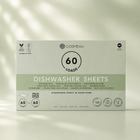
Gebruik je daarnaast dagelijks milde producten voor je vaat, dan kun je ook kijken naar Cosmeau Vaatwastabletten als rustige basis voor je normale routine.
Geen groot schoonmaakdrama van maken
Een vaatwasser reinigen zonder agressieve middelen hoeft echt geen ingewikkeld project te zijn. De grootste fout is meestal niet dat je te mild schoonmaakt, maar dat je te laat begint of op de verkeerde plek zoekt.
Pak eerst het zichtbare vuil aan, werk daarna pas dieper, en kies liever voor een gerichte reiniging dan voor een harde shortcut. Dat is meestal precies genoeg om je machine weer frisser, rustiger en prettiger in gebruik te krijgen.
FAQ over een vaatwasser reinigen zonder agressieve middelen
Kun je een vaatwasser schoonmaken zonder chloor?
Ja. In de meeste gevallen is chloor helemaal niet nodig. Filterreiniging, handmatig schoonmaken en een gerichte onderhoudsbeurt lossen vaak al veel op.
Is azijn altijd veilig voor je vaatwasser?
Niet elk onderdeel reageert daar even blij op bij veelvuldig gebruik. Daarom is het slimmer om er niet blind op te vertrouwen als standaardoplossing.
Wat als mijn vaatwasser ondanks schoonmaken muf blijft ruiken?
Dan zit de vervuiling vaak dieper in de machine. Een gerichte diepreiniging is dan meestal effectiever dan alleen de zichtbare delen afnemen.
Hoe vaak moet je je vaatwasser reinigen?
Dat hangt af van hoe intensief je hem gebruikt, maar regelmatig kort onderhoud voorkomt bijna altijd grotere geur- en vuilproblemen later.