


The average Dutch person does 150 washes a year. With these 7 simple changes you save money, energy and water without compromising on clean laundry.
Did you know the average Dutch person does about 150 washes per year? That’s a lot of water, energy and detergent. And honestly, most of us use more detergent than needed. Not because we’re dirty, but because that foam feels reassuring.
More sustainable washing doesn’t have to be a chore. In fact, it saves you money. Here are the steps that really make an impact.
The Biggest Wasters in Your Laundry Routine
Before we get to solutions, let’s look at the facts. You can only improve if you know where things go wrong.
Too high temperature. Most clothes get clean at 30 degrees. Yet 60% of Dutch people wash at 40 or higher by default. That costs up to 40% more energy per wash.
Too much detergent. More detergent = cleaner, right? No. Too much detergent leaves residue in your clothes and machine. That residue attracts dirt and bacteria. Your clothes literally get dirtier.
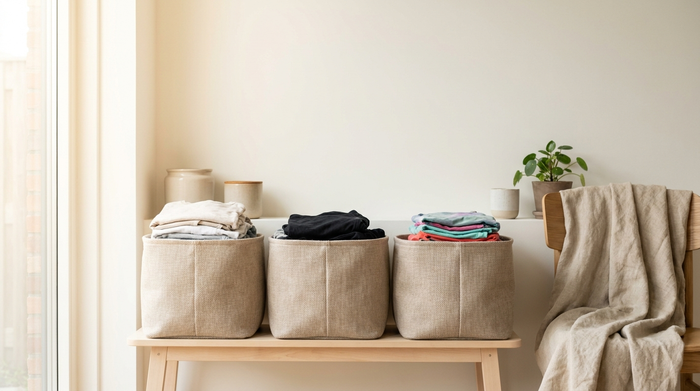
Half-empty drum. Every wash uses the same water and energy, whether you wash 3 shirts or a full drum. Wait until your machine is nicely full (not stuffed, but well loaded).
Unnecessary washes. That T-shirt you wore for an afternoon? Probably airing it is enough. Jeans? You can safely wear them 5 to 10 times before washing. Your clothes will last longer too.
7 Steps to a More Sustainable Laundry Routine
1. Wash at 30 degrees (or colder)
Modern detergents are designed to work at low temperatures. Unless you’re washing towels or bedding, 30 degrees is almost always enough. Your clothes will also stay looking better longer.
2. Dose accurately
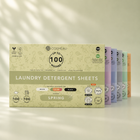
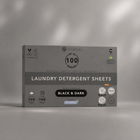
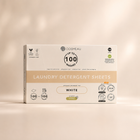
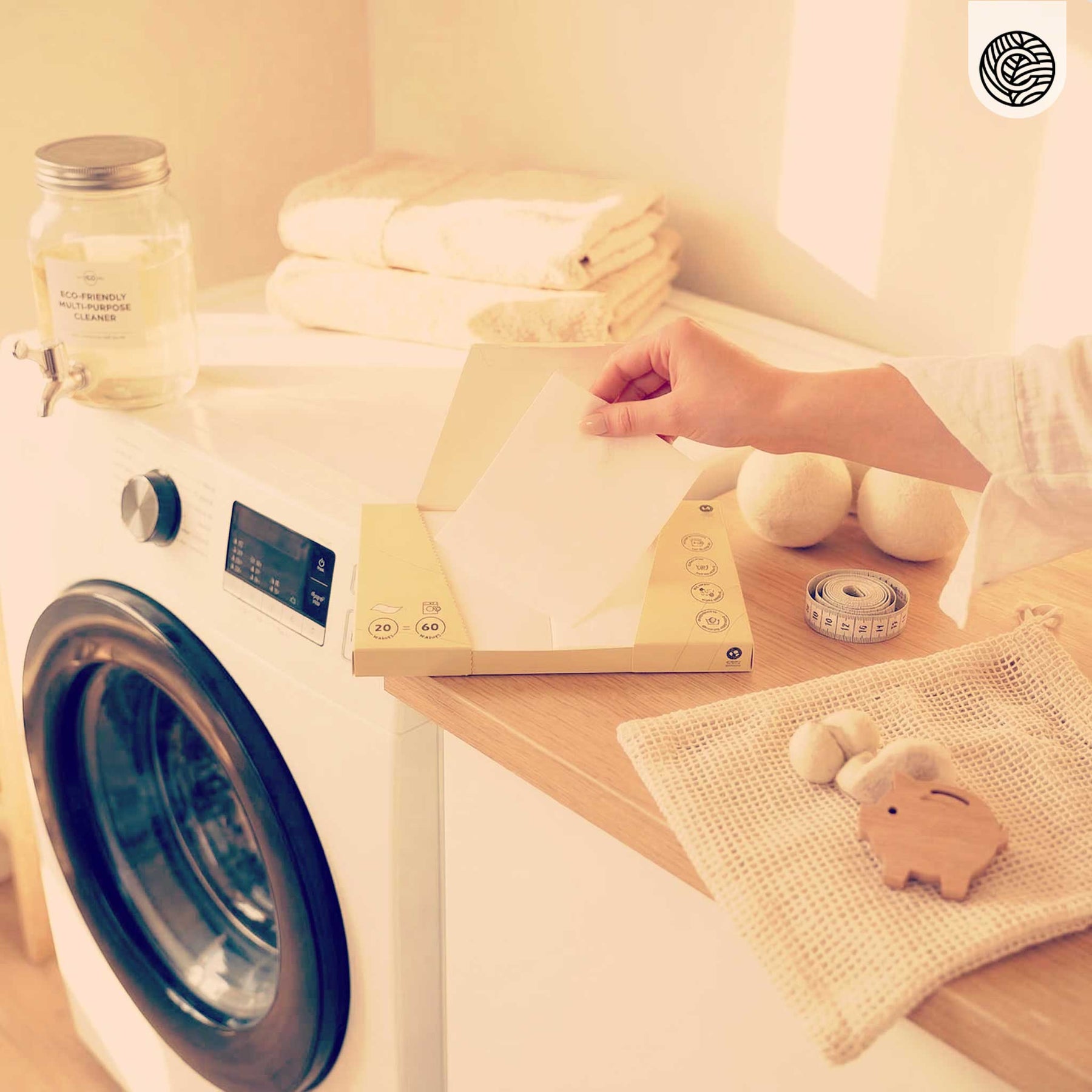
Follow the dosing instructions on your detergent. Or better yet: choose a detergent you can’t overdose. Laundry sheets are ideal for this: each sheet contains exactly the right amount. No guessing, no spills, no waste.
3. Fill your drum
A full drum uses the same energy as a half-empty one. Combine washes where possible. Sort by colour and temperature, not by "I just want this washed now."
4. Skip the fabric softener
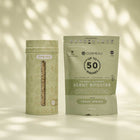
Fabric softener coats your clothes with a layer of chemicals. It feels soft, but makes your clothes less absorbent (towels!), less breathable (sportswear!) and harder to clean. Plus, most fabric softeners aren’t very eco-friendly. If you want freshness, scent pearls are a better alternative.
5. Watch the packaging
A plastic bottle of detergent per month adds up. Look for alternatives with less packaging. Laundry sheets come in cardboard packaging you can recycle with paper. No plastic, no hassle.
6. Maintain your washing machine
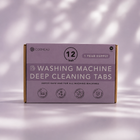
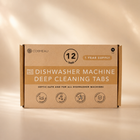
A clean machine washes more efficiently. Run an empty cycle at 60 or 90 degrees once a month, or use Deep Clean Tabs to remove limescale, grease and bacteria. Your laundry will smell fresher too.
7. Use the drying line
The tumble dryer is the biggest energy guzzler after the washing machine. Drying outside or indoors costs nothing and is better for your clothes. Bonus: sunlight bleaches stains out of white textiles.
What’s the Benefit?
Let’s do the math. If you consistently wash at 30 degrees, always fill your drum properly and stop buying fabric softener:
- Energy costs: up to 40% lower per wash
- Detergent: up to 30% less use with correct dosing
- Clothing lifespan: longer lasting due to less wear
- Water use: fewer washes = less water
That adds up significantly over a year. And all you have to do is change a few habits.
Frequently Asked Questions
Will my laundry really get clean at 30 degrees?
Yes, if you use a good detergent. Modern enzyme formulas break down dirt at low temperatures. Exception: bedding and towels can be washed at 60 degrees for hygiene.
Are laundry sheets as effective as liquid detergent?
In independent tests, good laundry sheets score comparably to liquid detergent. The advantage: you automatically use the right dose and there’s no plastic packaging.
Is sustainable washing more expensive?
No, actually cheaper. Less detergent, lower energy costs, fewer washes and clothes that last longer. The investment is mainly in changing your routine.