






We all do it: throw clothes in the laundry basket and run a wash. But how often should you actually wash your clothes? Washing too often can damage your clothes and the environment, while washing too little is unhygienic. In this guide, you'll discover exactly how often to wash different garments and get handy tips for a fresher, more sustainable laundry routine.
Why is the right washing frequency important?
The frequency with which you wash has a big impact on several levels. Firstly, clothes that are washed too often wear out faster. Friction in the washing machine, detergent, and heat cause fibres to weaken and colours to fade. Additionally, every wash uses energy, water, and detergent – unnecessary washes are also bad for the environment.
On the other hand, you want to smell fresh and clean! The key is to find the balance between hygiene, sustainability, and preserving your favourite clothes.
How often should you wash different garments?
Underwear and socks: After each use
This is obvious. Underwear and socks come into direct contact with sensitive body parts and absorb sweat and bacteria. Always wash these items after one wear.
Sportswear: After each use
Sportswear absorbs a lot of sweat and bacteria during exercise. Even if you don't see stains, it's important to wash sportswear immediately after use to prevent unpleasant odours.
T-shirts and tops: After 1-2 wears
In summer or during sweaty work, it's better to wash t-shirts after each use. In cooler months or if you sweat little, they can often be worn a second time.
Jeans: After 4-6 wears
You surprisingly don't need to wash jeans often! Many denim lovers wash their jeans even less frequently. Washing jeans less preserves colour and fit longer. Airing is often enough.
Sweaters and cardigans: After 3-4 wears
Sweaters and cardigans worn over other clothes don't need washing as often. Watch out for stains and odours – some materials like wool can hold smells.
Dresses and skirts: After 2-3 wears
Depending on the material and how intensively you wear them. Summer dresses worn directly on the skin require more frequent washing than winter skirts worn over tights.
Pajamas: After 3-4 wears
Although you sleep in your pajamas and are theoretically clean, they still absorb dead skin cells and sweat. Wash them every 3-4 nights for optimal hygiene.
Coats and jackets: 1-2 times per season
Coats and jackets rarely need washing unless dirty or stained. Most can be aired well. Pay attention to washing instructions – many coats are dry-clean only.
Towels: After 3-4 uses
Towels can harbour bacteria and mould if used too long. Make sure they dry properly between uses.
Bedding: Every 1-2 weeks
Sheets, pillowcases, and duvet covers collect dead skin cells, sweat, and dust. Wash them weekly for a fresh, healthy bed.
Tips for a more sustainable laundry routine
1. Air your clothes
Hang clothes that aren't really dirty outside or near an open window. Fresh air works wonders against light odours.
2. Treat stains immediately
A small stain doesn't mean the whole garment needs washing. Treat stains locally with some water and soap.
3. Wash at lower temperatures
Most laundry gets perfectly clean at 30°C. This saves not only your clothes but also energy. Only really dirty laundry or towels sometimes need higher temperatures.
4. Use the right amount of detergent
Too much detergent doesn't make your laundry cleaner but leaves residue. With modern, concentrated detergents like laundry sheets, you need much less product than you think.
5. Fill the washing machine properly
A full washing machine (but not overloaded!) is more efficient than several half loads. This saves water, energy, and detergent.
The role of sustainable detergent
How you wash is just as important as how often you wash. Traditional liquid detergents often contain unnecessary chemicals and come in large plastic bottles. This can be harmful to the environment and your clothes.
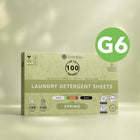
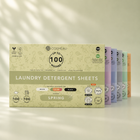
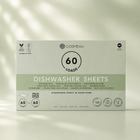
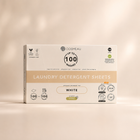
More and more people are switching to plastic-free alternatives like laundry sheets. These thin, concentrated strips dissolve completely in water and are plant-based. They are effective at low temperatures, saving energy and keeping your clothes looking good longer. Plus, you use exactly the right dose per wash, preventing waste.
By washing more consciously – less often, at lower temperatures, and with sustainable products – you can save hundreds of euros per year and significantly reduce your ecological footprint.
Conclusion: Find your ideal washing rhythm
There is no one-size-fits-all answer to how often you should wash. It depends on your lifestyle, the season, and the type of clothing. The general rule is: only wash what really needs washing. By being more mindful about washing, you save money, keep your clothes longer, and help the environment.
Start your new laundry routine today and discover how small changes can make a big impact!