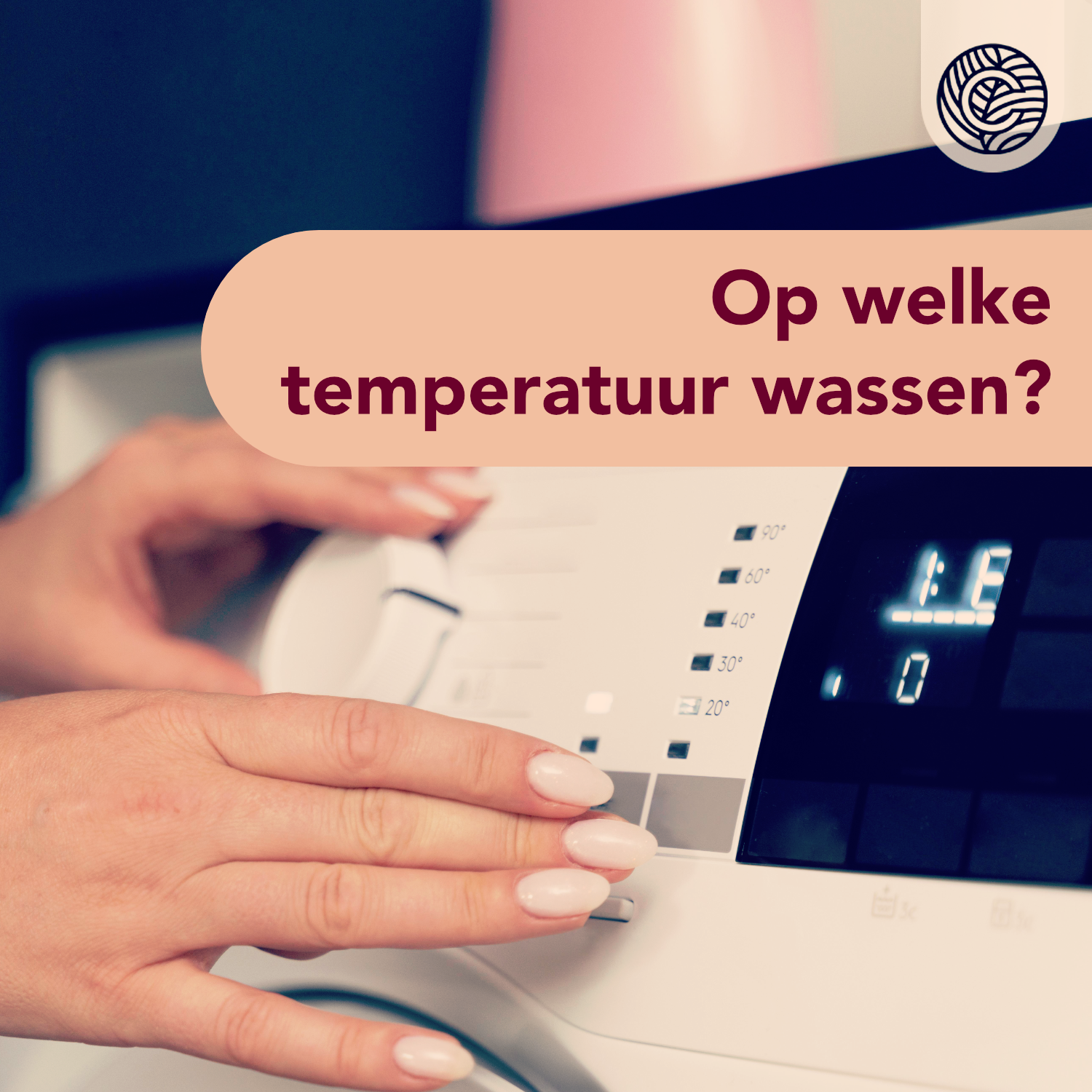
The temperature you should wash at is important for both the cleanliness and preservation of your clothes. Generally, the rule is: the warmer the water, the cleaner and more sterile your laundry becomes. However, not all fabrics can withstand high temperatures.
What temperature should you wash at?
Cold water (up to 30°C)
Ideal for delicate fabrics such as silk and wool, and for clothes that may shrink. Also perfect for saving energy.
Warm water (between 40°C and 60°C)
Suitable for lightly to normally soiled laundry such as towels, sheets, and everyday clothing.
Hot water (above 60°C)
Use this for heavily soiled laundry or to effectively kill bacteria and mites, especially in bedding and towels.
Wash these garments at an extra high temperature
What temperature to wash underwear?
Hygiene is very important for underwear. Wash underwear at a minimum of 60°C to effectively kill bacteria and viruses.
At what temperature to wash towels?
Towels collect many skin cells and moisture and can quickly develop bacteria. After one use, they can get dirty fast! Wash your towels at 60°C. This ensures thorough cleaning and helps keep them fresh and hygienic.
At what temperature to wash bedding?
You might not realise it, but when you sleep in bed, you leave sweat and skin flakes behind. So it’s important to get your bedding really thoroughly clean. You do this simply by washing between 40°C and 60°C. Washing colder won’t remove those bacteria.
Exceptions and special care
When washing your clothes and other textiles, there are some exceptions to the standard wash temperatures you might need to consider. When is it better to deviate from the usual settings?
Delicate fabrics
Materials such as silk, wool, and certain synthetic fabrics are better washed at a low temperature, often no higher than 30 degrees. This helps protect the fabric and extend its lifespan. It is also recommended to use special detergent for delicate fabrics.
Heavily soiled laundry
Workwear or sportswear that is extremely dirty is better washed at a higher temperature. Washing around 60 degrees really helps remove stubborn stains and unpleasant bacteria!
Allergies
For households with allergy issues, washing at higher temperatures such as 60 degrees may be necessary to effectively kill allergens like dust mites.
Common mistakes
Washing too cold
We understand you want to save energy by washing cold, but is your laundry really getting clean? Please pay special attention to towels and underwear. You really want to wash those at a high temperature, because mould and bacteria occur much more often on them.
Washing too hot
On the other hand, washing clothes at too high temperatures can cause shrinking and faster wear of fabrics. Delicate materials like wool and silk are especially sensitive to this.
What happens if you wash at the wrong temperature?
Not following the recommended wash temperature on the textile label can lead to damage or colour loss. Each material has its own temperature requirements. Also useful to read: Washing symbols explained simply
Check this overview to quickly find out at what temperature you should wash your laundry: