







Recognise this? You open the washing machine and see it again
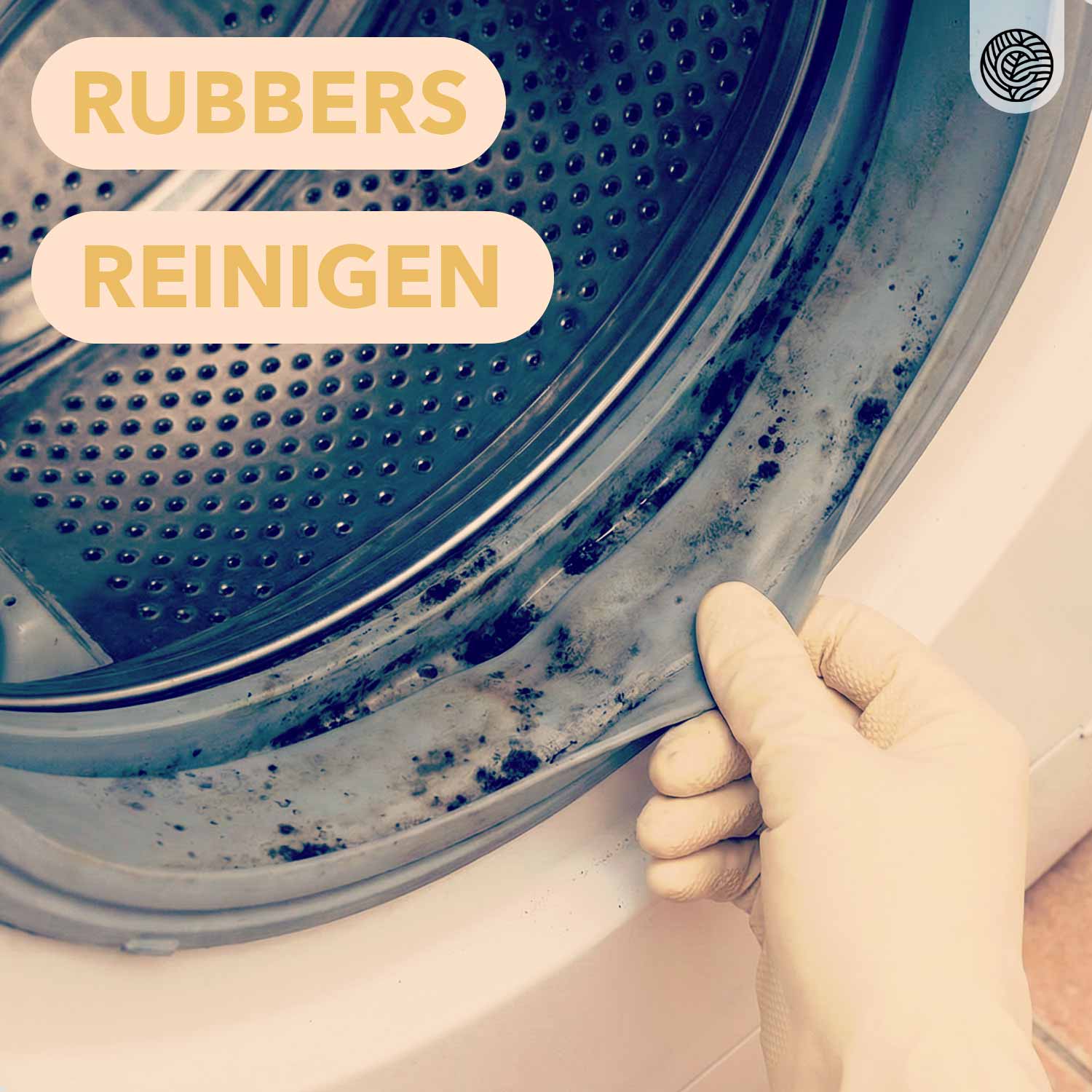
You’re about to do a wash. The drum looks clean. You grab the laundry… and then you see it: black spots and stains on the washing machine rubber seal. Sometimes tiny dots, sometimes larger patches. And the strange thing is: you do clean that rubber regularly, don’t you?
If this sounds familiar: this is one of the most common and most annoying cleaning problems at home.
What are those black spots on the washing machine rubber?
In almost all cases, it’s mould and bacterial build-up. The rubber seal of the washing machine is warm, damp, and constantly exposed to residues of:
-
Detergent
-
Fabric softener
-
Dirt from clothes
-
Standing water after washing
This makes it the perfect place for micro-organisms. The black spots are often the first visible sign, and they usually appear sooner than you think.
Why the washing machine is so prone to this
Many people find it extra frustrating because a washing machine is supposed to clean.
But this works against you:
-
Modern washing machines increasingly wash at low temperatures
-
Detergent residues remain in the rubber
-
The door often stays closed after washing
-
The rubber seal folds, trapping water inside
Even in a ‘clean’ machine, these conditions allow mould to grow.
Why the spots keep coming back (even after cleaning)
You may have already tried:
-
Vinegar or baking soda
-
Bleach
-
Scrubbing hard with a cloth
The spots often disappear for a while, but return. That’s because:
-
Mould penetrates into the rubber, not just on the surface
-
Aggressive products damage or dry out the rubber
-
Leftover residues actually encourage new growth
The problem is not just dirt, but also the structure and use.
How to tackle black spots on the washing machine rubber
Step 1: Clean specifically
Use a product that dissolves mould but does not damage the rubber. Let it work, especially in the folds of the seal.
Step 2: Don’t forget the folds
Gently pull back the rubber seal. There is often more build-up than you think.
Step 3: Rinse and dry thoroughly
Residues + moisture = new spots. Dry the rubber completely after cleaning.
Prevention: how to really keep the rubber clean longer
These are small habits with big effects:
🚪 Leave the door open
After every wash. Always. This allows moisture to evaporate.
🧴 Less is often more
Use no more detergent or fabric softener than necessary. Excess residues remain in the rubber.
🔥 Occasionally wash hot
An empty wash at 60–90 °C helps reduce build-up.
🧽 Wipe the rubber weekly
No big clean, just a quick check prevents new spots.
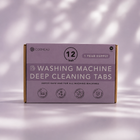
🧼 Use a Cosmeau deep cleaning tablet monthly
Keep everything easy with our washing machine deep cleaning tablet. Once a month, put a tablet in an empty drum, set the highest temperature, and that’s it!
When is cleaning no longer enough?
If the black stains are deep in the rubber and no longer lighten, the rubber is permanently discoloured. This doesn’t mean your machine is dirty, but that the material is damaged.
In that case:
-
You can still slow further growth
-
But existing stains often won’t disappear completely
Just knowing this saves a lot of frustration.
Finally
Black spots on the washing machine rubber are not a sign of poor hygiene. They develop slowly, invisibly, and almost everyone experiences them.
The difference is not cleaning harder, but understanding why they appear and how to prevent them.