

Sportswear that still smells of sweat after washing? You’re not alone. Discover why this happens and which 5 methods really help.
That one running shirt. After three washes, it still smells musty. You’ve tried extra detergent, added fabric softener, even washed at 60 degrees. But as soon as you put it on again, that familiar sweat smell hits you.
Frustrating? Absolutely. But it’s not your fault. It’s the fabric.
Why Sportswear Holds Sweat Odour
Sportswear is almost always made from synthetic fibres: polyester, nylon, elastane. Great for moisture wicking during exercise, but there’s a downside. These fibres have an oily structure that bacteria love to cling to.
And those bacteria are the culprits. Not the sweat itself (which is mostly water), but the bacteria that feed on the proteins and salts in your sweat. They nest deep in the fibres and easily survive a normal wash, especially at low temperatures.
Another common mistake: fabric softener. It leaves a film over the fibres that actually blocks water and detergent from reaching them properly. Bacteria stick even better. The opposite of what you want.
5 Methods That Really Remove Sweat Odour
1. White Vinegar (the classic)
Soak your sportswear for an hour in cold water with a good splash of white vinegar (about 1 cup per litre). Vinegar is acidic enough to kill bacteria and breaks down sweat residues. Then just wash as usual.
Be careful with clothing that contains a lot of elastane. Vinegar can eventually damage elastic fibres.
2. Washing Soda
Not to be confused with baking soda. Washing soda is stronger and works better against stubborn odours. Dissolve 2 tablespoons in a litre of warm water, soak your clothes for a few hours, then wash normally.
3. Rinse Immediately After Exercise
The easiest prevention: rinse your sportswear immediately with cold water after exercising. This removes sweat before bacteria get a chance to settle. Simple, effective, free.
4. Skip the Fabric Softener
Seriously, don’t add fabric softener to your sportswear anymore. It makes the fabric harder to clean. Sportswear naturally softens through washing. Those extra layers of chemicals only work against you.
5. Wash as Warm as the Label Allows
Check the care label and go as high as possible. Many sports clothes can handle 40 degrees, some even 60. That extra heat makes the difference between "smells okay" and "really fresh."
The Smart Approach: Choosing the Right Detergent
Those home remedies work well, but they’re always an extra step. Want to keep it simple? Your choice of detergent makes the biggest difference.
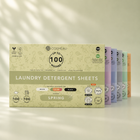
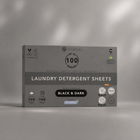
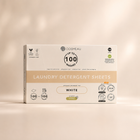
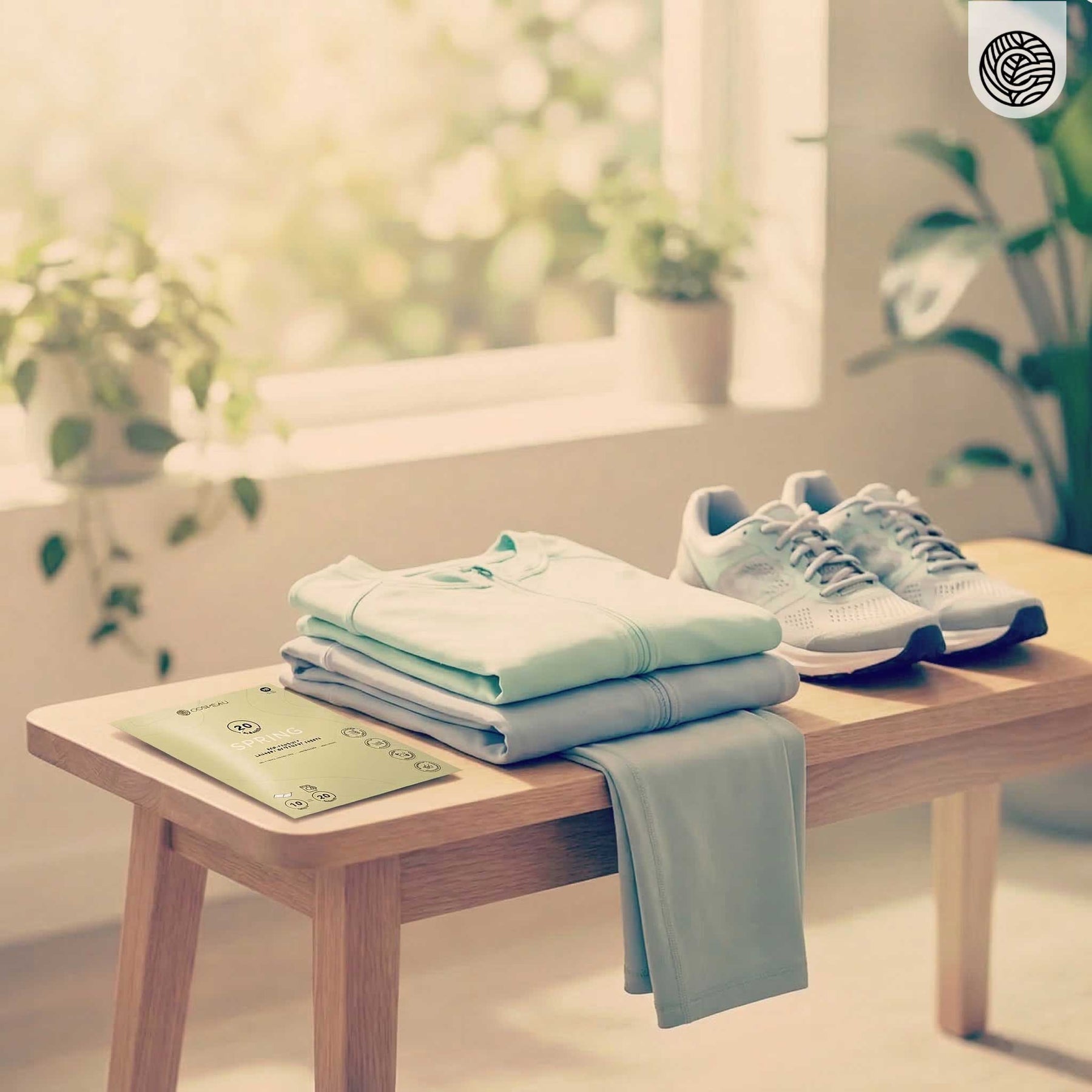
Detergents with bio-enzymes tackle sweat residues more effectively at low temperatures. Cosmeau laundry sheets contain these enzymes and work from 30 degrees. No soaking or vinegar hassle, just a sheet in the drum.
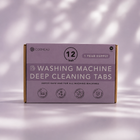
For really stubborn cases (you know the ones: that shirt that’s been smelly for months) you can try Deep Clean Tabs. They give your sportswear a thorough reset.
Frequently Asked Questions
Can I wash sportswear with regular laundry?
Yes, but if your sportswear really smells, wash it separately. Odour-causing bacteria can transfer to other clothes.
Does freezing help against sweat odour?
Not really. Freezing doesn’t kill bacteria, it only slows them down temporarily. Once the clothes return to room temperature, they continue growing.
My sportswear smells after just one wear. What now?
Then bacteria have already settled deep in the fibres. Time for a thorough reset: soak overnight in vinegar or soda, wash at the highest possible temperature, and stop using fabric softener.