Why are you doing this now?
Because development is moving absurdly fast. Open models you can run on your own hardware are getting better, smaller and more efficient. For some tasks they now come surprisingly close to much larger cloud models.
We find that interesting. Not because we want to put AI into everything, but because technology that a few years ago was mainly reachable for huge tech companies can now be used and adapted by us.
Is AI trained on artists' work?
This is the hardest question, and we will not pretend there is a simple answer. There is a fair debate about how models were trained, which datasets, makers' consent, and how copyright should apply.
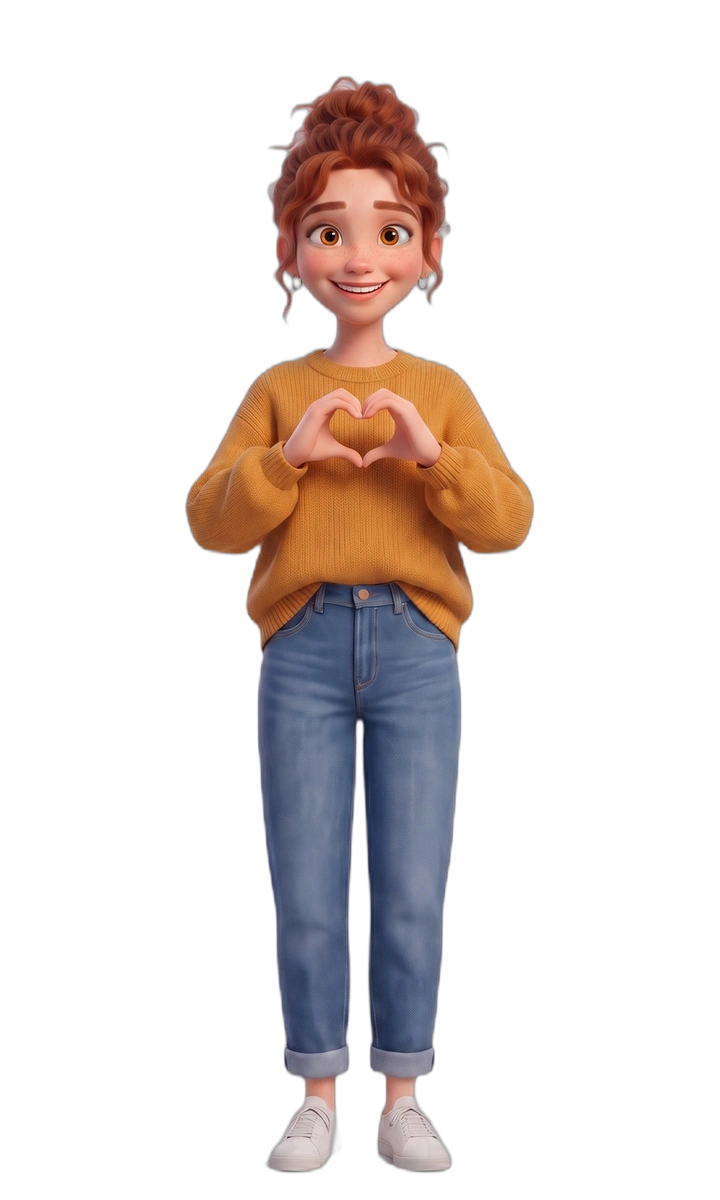
Models differ a lot. Some have clearly licensed datasets, others make it much less clear where all training data comes from. So we look carefully at which models we use, their licences, and what we use them for. We never knowingly copy the work of specific artists or existing characters. Emma and the rest are ours. We do not claim every ethical and legal question around generative AI is solved. They are not.
Will everything become the same AI mush?
That risk is real. Making a character, photo or clip is getting easier. That makes something else more important: the idea behind it.
We did not choose Emma's style because it was easy to generate. We looked for a visual world that fits Cosmeau, where we can tell stories. Same for the enzyme characters. Enzymes are fascinating, but under a microscope they are not exactly Disney figures. So we literally gave them a face.
The shapes and features are based on the function and structure we want to explain. That helps us make dry subjects accessible: what an enzyme is, why five different ones sit in a detergent, and what they do.
Why use it at all then?
As the barrier to making things gets lower, the limit shifts from producing to thinking of something interesting. Inventing and telling stories has been in us for thousands of years. For some forms you used to need a camera crew, animator, studio or a huge budget.
Not everyone wants to listen to us in a video. And not everyone wants to read long emails all the way through. Through text, photography, animation, real people and AI we can tell the same story in different ways.
Almost everyone has watched a film and thought: I would have done this differently. Or had a story in their head that never got made, because time, skill or means were missing. Maybe not our technical skill, but our imagination becomes the limiting factor. Photography did not get less interesting when we no longer had to develop negatives. More people could photograph.
How will you continue with this?
We keep experimenting. We will not promise we always use AI well. We will probably make mistakes. If something does not fit Cosmeau, we learn, change it or stop.
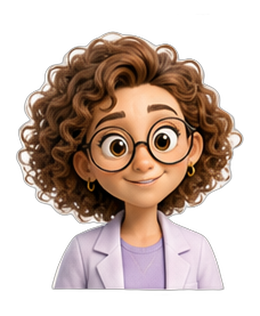
AI does not replace real people in our communication. You will still see Claire, our team and other colleagues. The Cosmeauverse is a new way to tell stories beside that, not a replacement.
The last few years were not always easy. After the blow from Keuringsdienst van Waarde and the high fixed costs of the new production hall, we could have hit the brakes. We are close to where we have been heading for years: developing and making detergent locally. It would be a shame to get this close and then stop renewing.
That is why we invest in production, R&D, automation and AI. Not because every new technology is automatically better, but because experimenting has always been part of how we build Cosmeau. We like hearing your criticism, especially when you disagree. In the end we should not use the most AI. We should make things we are proud of.