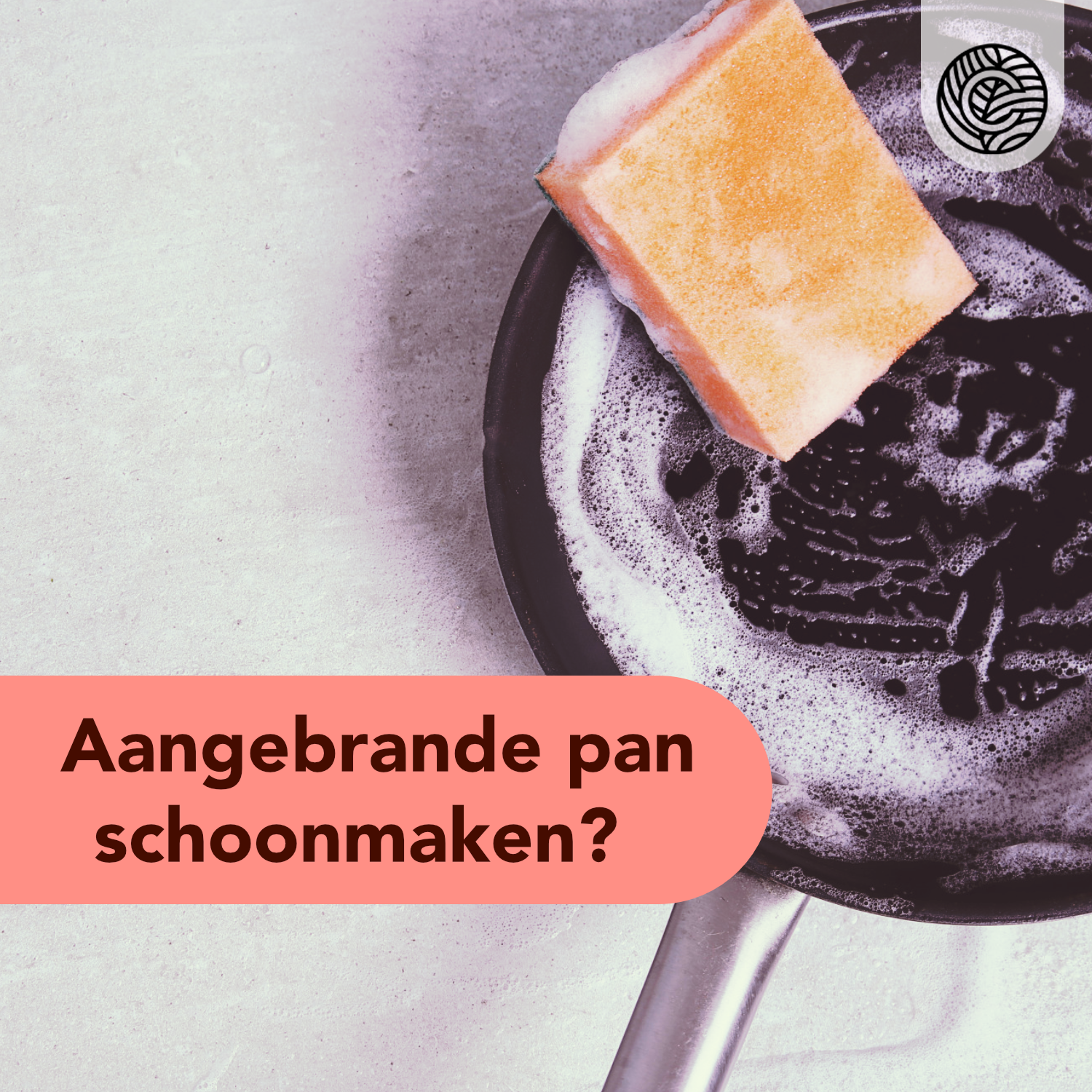
If you get distracted while cooking, the chance of having to clean a burnt pan is there. Whether it is a forgotten pot of rice or a sauce that stayed on the heat too long, a burnt layer in your pan is hard to clean. To avoid ruining your pans and to save effort, we share different ways to tackle burnt pans.
You can clean a burnt pan in 5 ways
Method 1. Soda
One of the most effective ways to remove burnt leftovers is using soda. Fill the pan with water and add one or two tablespoons of cleaning soda. Bring the water to a boil and let it simmer for a few minutes. The soda helps loosen the baked-on leftovers, so you can remove them easily with a sponge or brush.
Method 2. Vinegar
Vinegar is useful for cleaning burnt pans, especially if you do not have soda to hand. Fill the pan with a mix of equal parts vinegar and water. Leave the mix to work for a while (this helps loosen the burnt leftovers). After soaking you can scrub the pan clean easily. Rinse well to remove all vinegar residue.
Method 3. Salt and lemon
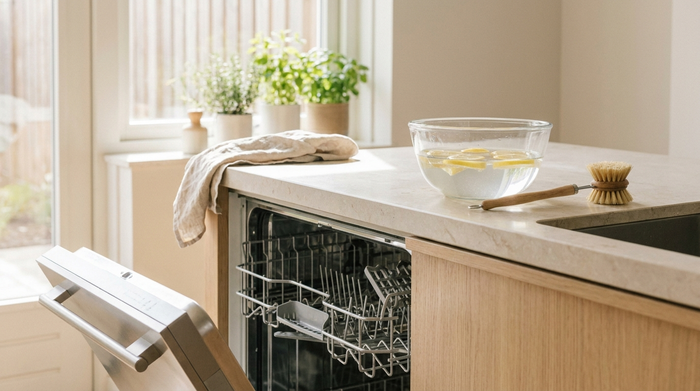
For pans without a non-stick coating you can use salt and lemon. Sprinkle coarse salt over the bottom of the pan and use half a lemon as a sponge. The lemon works as a natural acid that helps loosen the dirt, while the salt acts as a mild abrasive. After scrubbing you rinse the pan with warm water.
Method 4. Dishwasher tablet
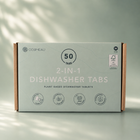
For very stubborn stains a dishwasher tablet can work wonders. Put a dishwasher tablet in the pan and fill it with hot water. Leave it overnight so the leftovers loosen properly. The next day you should be able to remove the leftovers easily with a soft brush or sponge.
Method 5. Cola
Cola is not only a popular drink, it is also an effective cleaner for rust and burnt leftovers in pans. Fill the pan with cola and leave it overnight. The acids in the cola help loosen the burnt leftovers. Rinse the pan thoroughly the next day.
Special attention for cast-iron pans
Cast-iron pans are known for their durability and excellent heat distribution, but they also need a specific approach when it comes to cleaning, especially if they are burnt.
Step 1. Avoid using aggressive cleaners and abrasive materials that can damage the natural ‘seasoning’ of your pan.
Step 2. Sprinkle coarse salt in the still-warm pan and rub it around with kitchen paper or a soft cloth to scrub food leftovers loose without damaging the pan, then throw the salt away and wipe the pan clean with a dry, soft cloth.
Step 3. If the salt does not fully remove the leftovers, add some water to the pan, bring it to a boil, and carefully scrape the loosened leftovers away with a wooden spatula; then dry the pan well to prevent rust.
Step 4. After cleaning the pan, dry it fully by putting it on a low heat to evaporate all moisture, then apply a thin layer of cooking oil to restore the seasoning and protect the pan against rust.
Tip: After every use it is recommended to oil the pan lightly after cleaning. This keeps the natural non-stick layer in place and prevents rust and damage to the metal.
Common mistakes when cleaning pans
If you clean burnt pans the wrong way, they can get damaged. By not using abrasives such as steel wool or hard scouring pads, you avoid scratches in the non-stick coating. Using a soft cloth or sponge and wooden spatulas is better for loosening leftovers.
Many people tend to cool a hot pan quickly under cold water, but this can warp your pan. So let your hot pan cool down by itself.
It is also better to avoid aggressive chemicals such as oven cleaners or bleach.