
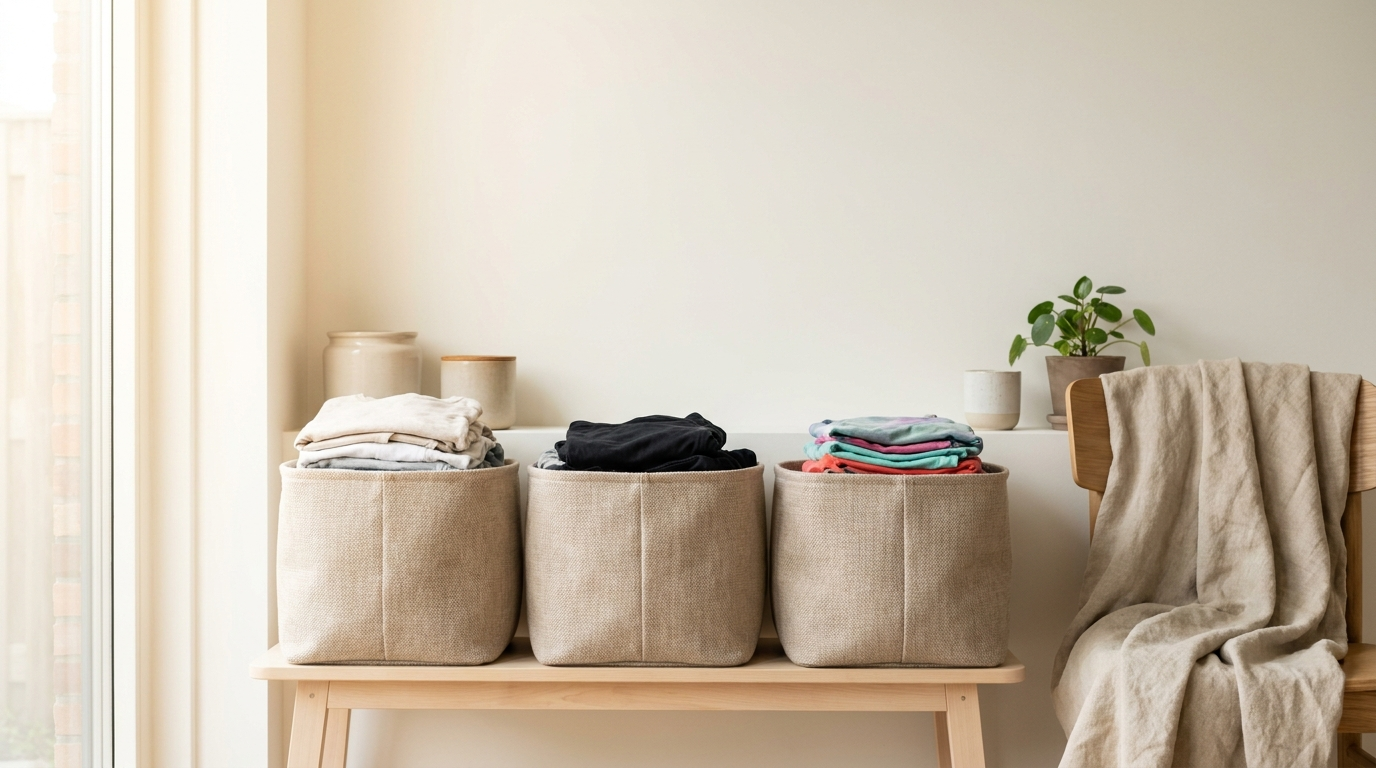
Was sorteren hoeft niet ingewikkeld te zijn. Met een simpele verdeling op kleur, stof en temperatuur voorkom je verkleuring, grauwe was en onnodige slijtage.
You just want to run a wash quickly, but then the doubting starts. Can that light grey jumper go with white? Do towels need to be separate? And does it really matter if you wash everything at 30 degrees?
Sorting laundry sounds like one of those chores people make too complicated. Still, it is often exactly the difference between clothes that stay looking good for a long time and clothes that turn dull, faded or baggy after a few washes. Luckily it does not have to be complicated. With three simple checks you already get a long way: colour, fabric and temperature.
Why sorting laundry matters
Sorting laundry is not about a perfect household. It is about preventing damage. In the washing machine more happens than just rinsing clean. Clothes rub against each other, colours can bleed and different fabrics react differently to water, heat and spinning.
Dark clothes can, for example, release colour, especially when they are new. White laundry absorbs that colour easily, so a fresh shirt slowly turns dull. Towels shed fluff and often need a more robust programme than thin shirts. Sportswear you do not want to wash too hot, because elastane and technical fibres wear faster.
If you always throw everything in together, that seems handy in the short term. But in the long term it costs you clothes, freshness and sometimes even extra washes because something does not come out of the machine clean or looking good.
The simple basis: sort by colour
Start with colour. That is the easiest and most important step.
White laundry
White shirts, white towels, bedding and light underwear can usually go together if the material and care label match. Watch out with clothes that have coloured prints or trims. Those can sometimes bleed, especially in the first washes.
Mixed colours
Mixed-colour laundry is everything with a clear colour: blue, green, red, pink, yellow and prints. New brightly coloured items you prefer to wash separately the first few times, or with similar colours. Red and dark blue are notorious because they can bleed.
Dark laundry
Black, dark grey, navy and dark green stay looking better if you wash them separately. Wash dark clothes inside out and do not use a programme that is too hot. That way you prevent black from fading faster.
Light mixed
Light grey, beige, pastel and cream sit somewhere between white and mixed colours. If an item is really light and does not bleed, it can often go with light laundry. In doubt? Then a light mixed wash is safer than with pure white.
Then check the fabric
Colour is step one, but fabric is at least as important. A thin blouse and a rough towel can be the same colour, but they do not ask the same of your wash programme.
Towels, dishcloths and cleaning cloths you prefer to wash separately from clothes. They take up a lot of water, shed fluff and sometimes need a more hygienic programme. Zips, hooks and rough fibres can also damage delicate clothes.
Delicate fabrics such as wool, silk, viscose and fine lingerie need a gentle programme. Do not just put them with jeans or towels. Use a laundry bag if needed and choose a low spin speed.
Sportswear also needs attention. Many sports shirts contain elastane or technical fibres. Washing too hot can take the stretch out, and odour can linger if you use too much detergent. Prefer not to wash sportswear with fluffy towels, because synthetic fabric attracts fluff easily.
Which temperature do you choose?
The best temperature is on the care label, but as a basis you can use this:
- 30 degrees: everyday clothes, dark laundry, sportswear and lightly worn items
- 40 degrees: underwear, socks, shirts and normal mixed-colour laundry
- 60 degrees: towels, bedding, dishcloths and laundry that needs extra hygiene
- Cold or wool programme: wool, delicate fabrics and clothes that shrink easily
Hotter is not automatically better. Washing too warm can make colours fade faster and fabrics shrink. On the other hand, always washing everything cold is not ideal either, especially not with towels or cloths with a lot of skin oils and dirt.
So do not choose on feeling, but on function. What needs to get clean, what fabric is it and how much can it take?
Common mistakes when sorting laundry
The biggest mistake is thinking colour is the only thing. A black pair of jeans with a black sports shirt seems logical, but those jeans are heavy and rub a lot. The sports shirt can pill or wear faster as a result.
A second mistake is running drums that are too full. If clothes have no space to move, they get less clean. Detergent can also distribute less well, so residues stay behind.
And then there is too much detergent. More detergent does not automatically make your laundry cleaner. It can actually leave residues in fabric and machine. You notice that as a musty smell, stiff towels or white streaks on dark clothes.
A handy sorting rule for busy days
No appetite for five laundry baskets? Then use this practical split:
1. White and very light
2. Dark and black
3. Mixed colours and normal clothes
4. Towels, bedding and cloths
5. Delicate or sports separately when needed
That is enough for most households. You do not have to treat every garment scientifically. You mainly want to avoid the big risks: colour run, fluff, shrinkage and wear.
Where do Cosmeau laundry sheets fit in your routine?
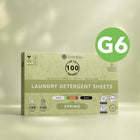
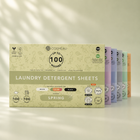
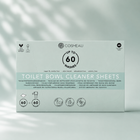
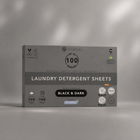
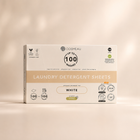
Sorting well is the basis. After that, easy dosing helps. With Cosmeau laundry sheets you use a fixed dose without a heavy plastic bottle or messing about with caps. That is handy if you run several washes quickly: a sheet in the drum, choose the programme and done.
They are Made in NL, have no plastic packaging and fit white, mixed-colour and dark laundry. For a small or lightly soiled wash you can often use less, for a large full drum follow the recommended dose. Free shipping applies from €19.
No miracle for sorting wrongly, but a calm basis for a simple laundry routine.
Quick checklist before you start
Run through this before you switch the machine on:
- Is there something new or brightly coloured in the load?
- Are towels or dishcloths separate?
- Is delicate clothing in a laundry bag?
- Is the drum not too full?
- Does the temperature match the care label?
- Are you not using more detergent than needed?
If you check these points, you prevent most laundry problems before they start.
FAQ
Do you have to wash towels separately?
Usually yes. Towels shed fluff, take up a lot of water and often need a more robust programme than ordinary clothes. Washing them separately keeps clothes looking better.
Can grey go with white laundry?
Very light grey can sometimes go with white, but only if it does not bleed. If in doubt you prefer to wash grey with light mixed colours, especially if the garment is new.
Is 30 degrees enough for all laundry?
No, not always. For everyday clothes 30 degrees is often fine, but towels, bedding and dishcloths sometimes need 40 or 60 degrees for extra freshness and hygiene.