


De gemiddelde Nederlander draait 150 wasbeurten per jaar. Met deze 7 simpele aanpassingen bespaar je geld, energie en water zonder in te leveren op schone was.
Did you know that the average person in the Netherlands runs about 150 washes a year? That is a hefty amount of water, energy and detergent. And honestly: most of us use more detergent than needed. Not because we are dirty, but because that foam is so reassuring.
Washing more sustainably does not have to be a chore. In fact, it saves you money. Here are the steps that really make an impact.
The biggest waste points in your laundry routine
Before we get to solutions, a few facts. Because you can only improve something once you know where it goes wrong.
Too high a temperature. Most clothes come out perfectly clean at 30 degrees. Still, 60% of people in the Netherlands wash at 40 or higher as standard. That costs up to 40% more energy per wash.
Too much detergent. More detergent = cleaner, right? No. Too much detergent leaves residue in your clothes and in your machine. That residue actually attracts dirt and bacteria. Your clothes literally get dirtier from it.
A half-empty drum. Every wash uses the same amount of water and energy, whether you wash 3 shirts or a full drum. Wait until your machine is nicely full (do not cram it, but well filled).
Unnecessary washes. That T-shirt you wore for an afternoon? Airing it is probably enough. Jeans? You can easily wear those 5 to 10 times before you wash them. Your clothes will also last longer that way.
7 steps toward a more sustainable laundry routine
1. Wash at 30 degrees (or colder)
Modern detergents are designed to work at low temperatures. Unless you are washing towels or bedding, 30 degrees is almost always enough. Your clothes also stay looking good longer that way.
2. Dose accurately
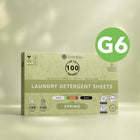
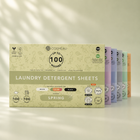
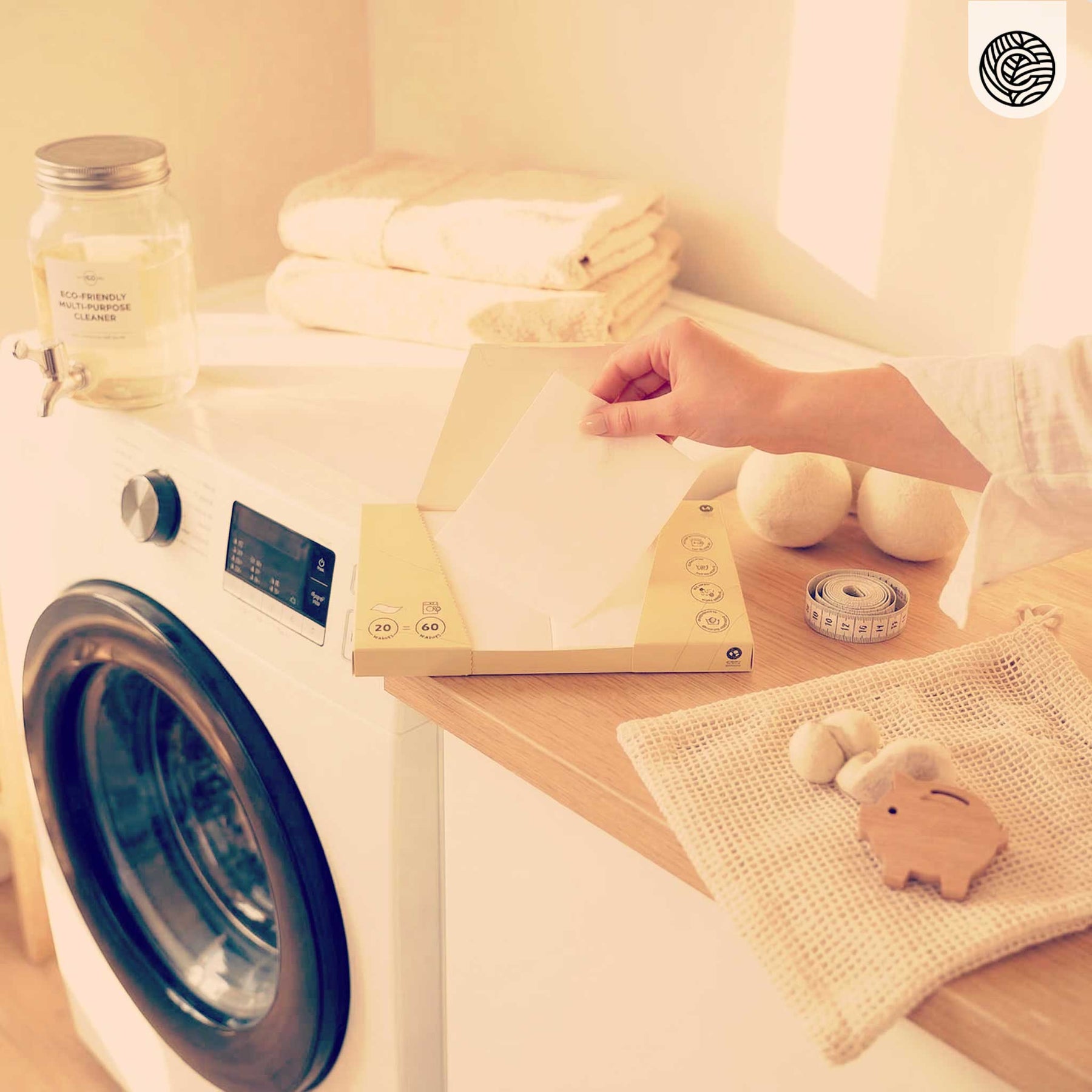
Follow the dosing instructions on your detergent. Or better still: choose a detergent you cannot overdose. Laundry sheets are ideal for that: each sheet contains exactly the right amount. No guessing, no spilling, no waste.
3. Fill your drum
A full drum uses the same energy as a half-empty one. Combine washes where possible. Sort by colour and temperature, not by "I just want this washed now."
4. Skip the fabric softener
Fabric softener coats your clothes with a layer of chemicals. That feels soft, but it makes your clothes less absorbent (towels!), less breathable (sportswear!) and harder to get clean. On top of that, most fabric softeners are not exactly environmentally friendly. If you want freshness, scent pearls are a better alternative.
5. Watch the packaging
A plastic bottle of detergent a month adds up. Look for alternatives with less packaging. Laundry sheets, for example, come in a cardboard pack that you can put straight into the paper recycling. No plastic, no fuss.
6. Maintain your washing machine
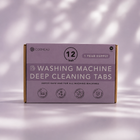
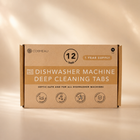
A clean washing machine washes more efficiently. Run an empty programme at 60 or 90 degrees once a month, or use Deep Clean Tabs to remove limescale, grease residue and bacteria. Your laundry will also smell fresher that way.
7. Use the washing line
After the washing machine, the tumble dryer is the biggest energy hog in your laundry room. Drying outdoors or indoors costs nothing and is better for your clothes. Bonus: the sun bleaches stains out of white textiles.
What do you get out of it?
Let's do the sums. If you consistently wash at 30 degrees, always fill your drum well and no longer buy fabric softener:
- Energy costs: up to 40% lower per wash
- Detergent: up to 30% less use with the right dose
- Clothing lifespan: stays looking good longer thanks to less wear
- Water use: fewer washes = less water
That adds up quite a bit over a year. And the only thing you have to do is adjust a few habits.
Frequently asked questions
Does my laundry really get clean at 30 degrees?
Yes, provided you use a good detergent. Modern formulas with enzymes break down dirt at low temperatures. Exception: bedding and towels you can happily wash at 60 degrees for hygiene.
Are laundry sheets as effective as liquid detergent?
In independent tests, good laundry sheets score comparably to liquid detergent. The advantage: you automatically use the right dose and there is no plastic packaging.
Is sustainable washing more expensive?
No, if anything it is cheaper. Less detergent, lower energy costs, fewer washes and clothes that last longer. The investment is mainly in adjusting your routine.