


Cleaning Your Washing Machine: Avoid These Common Mistakes and Save Hundreds of Euros
Maintaining a washing machine gives you fresh, clean laundry, but almost nobody spends time on it. If you don't do that regularly, it can cause dirty smells and breakdowns. We are going to share a few practical tips to avoid this and keep your washing machine working at its best.
4 Most Common Mistakes that Damage your Washing Machine
These are the common mistakes that can cause damage to your washing machine and how you can avoid them.
1. Using too much detergent
Can you use too much detergent? Many people think more detergent means a cleaner wash, but this is not true. It can lead to excess foam, which may block the washing machine's water drain. This damages the washing machine pump and also leads to washes where soap residue stays behind on your clothes.
An excess of detergent can cause unpleasant odors in your washing machine. Modern washing machines are made to work well with little detergent, so always follow the recommended dosage on the packaging.
2. Fabric softener
Fabric softener is used to make your clothes softer and nice-smelling, but it can be bad for your washing machine. It leaves a greasy layer on your clothes and in the washing machine. This leads to bacterial build-up that causes a smelly washing machine and musty clothes. Besides shortening the life of your washing machine, it sometimes also causes skin irritation.
If you have fabric softener, it is wise to use it in moderation or even switch to an alternative, such as scent pearls.
3. Washing Small Garments Without a Wash Bag
Small garments can get stuck in the drum, the door seal, or the drain system if you throw them loose into the washing machine. This can not only be harmful for your clothes, but also the machine. By washing small garments such as underwear and socks in a wash bag you avoid expensive repairs.
4. Loading The Washing Machine Too Full
You may think you save time by loading your washing machine completely full, but this can overload the motor and shorten its life. On top of that your clothes do not get properly clean, because water and detergent cannot circulate well through the fabrics.
To keep your washing machine working well, fill the drum to a maximum of three-quarters for cotton, half full for synthetic fabrics, and one third for wool.
Leave enough space so water and detergent can circulate well; a fist should still fit on top of the laundry.
5 Tips for Maintaining a Washing Machine
1. Clean the drum regularly
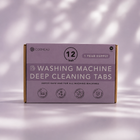
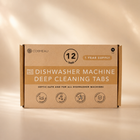
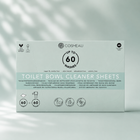
Run your washing machine at least once a month without laundry at 60°C or 90°C with one washing machine deep-clean tablet. The fixed dose helps tackle grease, detergent residue, organic dirt, and limescale in a targeted way.
2. Maintenance of the Rubber Door Seal
The rubber door seal easily holds onto moisture, dirt, and soap residue. Dry the rim after every wash and clean it regularly with a damp cloth and water. Only use another product if your machine's manufacturer allows this.
3. Cleaning the Filter
A clogged filter in your washing machine can lead to poor performance, reduced water drainage, and eventually damage to the machine. Clean the filter at least four times a year, or more often if you notice your washing machine is not working well or if an unpleasant smell develops.
Cleaning the filter is simple: open the flap, remove the filter, and rinse it well under warm water. Remove all leftover dirt and put the filter back. This keeps your washing machine working at its best and prevents costly repairs. In this video from the Consumentenbond you can see how to take the filter out of the washing machine.
4. Use a suitable washing machine cleaner
Vinegar can help reduce light limescale, but it is not a full deep cleaner. With repeated or incorrect use, acid can damage rubber seals and metal parts. Baking soda can help neutralize odors, but it does not contain the full combination needed to tackle grease, detergent residue, organic dirt, and limescale.
For periodic maintenance, use one Cosmeau washing machine deep-clean tablet in an empty drum and run a program at 60°C or 90°C. Do not combine vinegar and baking soda as a replacement for a washing machine cleaner. Always follow your machine's manual.
5. Leave the Door Open after Washing
A simple way to keep your washing machine dry and mold-free is to leave the door open after every wash. This lets moist air escape and prevents the formation of mold and bacteria.
Still Musty Laundry? Also Avoid these Common mistakes when Maintaining a Washing Machine
Using the wrong Detergents
A common mistake is using unsuitable detergents, such as hand-wash detergents, in the washing machine. These can clog the drum and pump through excess foam, which can cause damage to the machine. Some products also contain chemical substances that attack the rubber parts. So always use detergents that are suitable for washing machines and follow the recommended dosage.
Leaving Laundry In the Machine Too Long
If you leave wet laundry in the washing machine too long, mold and bacteria can grow quickly, which causes dirty smells and black mold spots that are hard to remove. To prevent this, take the laundry out of the machine right after washing and leave the door open for ventilation.
No Water Softener with Hard Water
Do you live in a hard-water area? Then the chance of limescale in your washing machine is high. This is bad for your washing machine and leads to higher energy use. Using a water softener or anti-limescale products can extend the life of your machine. Read more about the effect of a water softener on your washing machine.
Placing The Washing Machine Incorrectly
It is important to make sure your washing machine is placed correctly and stands level. A washing machine that is not level can start to vibrate or even move during the spin cycle, which can damage the internal parts of the machine. Check that your washing machine stands firmly and level to prevent this kind of problem.
A Lasting Alternative to Fabric Softener
Fabric softener is often used to make clothes soft and give a nice scent, but it also has downsides. It can leave grease residue in the washing machine, which can lead to a musty smell and can shorten the life of your machine. It also makes fabrics such as sportswear and towels less able to breathe or absorb moisture. Fabric softener is also bad for the environment, because the chemical substances do not break down well. Use a good alternative that does not have these problems and still makes your laundry smell fresh.
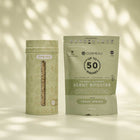
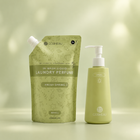
If you are looking for an alternative to fabric softener, consider Cosmeau scent pearls. These pearls give your clothes a fresh scent during the wash that lasts a long time, without residue staying behind in your washing machine or on your clothes.
If you maintain your washing machine well, that will extend its life and prevent expensive repairs. Don't use too much detergent and fabric softener to prevent build-up, and clean the drum and filter regularly.
Although fabric softener makes your laundry smell nice, it can leave harmful residue that is bad for your washing machine and the environment. A better alternative is scent pearls, which leave no harmful residue and still provide a fresh scent. By following these tips, your washing machine keeps working longer and your laundry stays nicely fresh.
Also read: